Dumbbell Only Workout Plan: Build Muscle at Home or Gym
· 10 min read
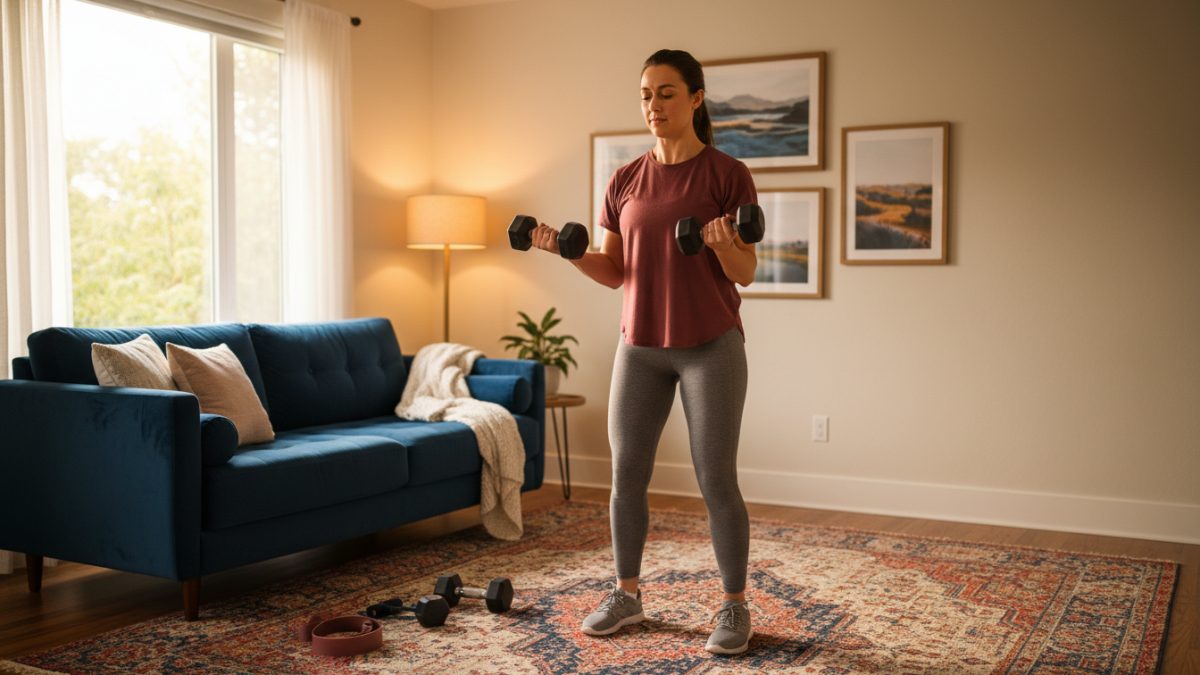
Build muscle anywhere with an effective dumbbell only workout plan. Learn how to progress your lifts, structure your split, and get results without barbells or machines.
Whether you are training in a compact condo gym, outfitting a basement corner for the winter, or simply prefer the versatility of free weights, you do not need an entire room of commercial machines to build strength and muscle. A well-structured dumbbell only workout plan can provide enough mechanical tension, range of motion, and progressive overload to support muscle gain for many people.
Many lifters assume that dumbbells are merely accessory tools to complement heavy barbell lifts. In practice, training exclusively with dumbbells can offer useful advantages for exercise variety, side-to-side balance, and home-gym practicality, provided your programming is dialed in.
Why a Dumbbell Only Workout Plan Builds Serious Muscle
Dumbbells provide unique training stimuli that fixed barbells and pin-loaded machines cannot match. Understanding these advantages helps you execute each repetition with better intent.
Greater Range of Motion and Joint Freedom
When pressing or pulling with a fixed barbell, your hands are locked into one position on the bar. For some people, that setup feels less comfortable than dumbbells. Dumbbells allow your hands to rotate more freely, so you can often find a pressing or rowing path that feels more natural for your shoulders, elbows, and wrists. For example, some lifters prefer a neutral grip (palms facing each other) during overhead presses.
Eliminating Strength Imbalances
Most people have a dominant side. On bilateral exercises, your stronger side may contribute a little more than your weaker side without it being obvious. Dumbbells make each arm work more independently, which can help you notice and address side-to-side differences over time.
Practicality for Canadian Home and Condo Setups
During long Canadian winters, trekking across town to a crowded commercial gym in -15°C weather is a frequent obstacle to consistency. A pair of adjustable dumbbells or a modest rack in a condo fitness centre allows you to get a high-quality session without leaving your building. Space efficiency makes dumbbells the most realistic long-term investment for home fitness.
How to Apply Progressive Overload with Dumbbells
The fundamental driver of muscle growth is progressive overload: asking your muscles to do slightly more work over time. With barbells, you simply add small 2.5 lb (1.1 kg) plates. With dumbbells, jumps are often 5 lb (2.25 kg) per hand, which represents a massive 10 lb (4.5 kg) total jump on upper-body lifts.
To progress smoothly without stalling or injuring your joints, you must use progression levers beyond just picking up a heavier weight.
- The Double Progression Method: Instead of jumping weights right away, work within a rep range (such as 8 to 12 reps). Start at a weight where you can achieve 3 sets of 8 reps. Keep that same weight each week until you can complete 3 sets of 12 clean reps with good form. Only then do you move up to the next dumbbell increment and drop back to 8 reps.
- Slowing Down the Eccentric Phase: Lowering the weight under control over 3 to 4 seconds increases time under tension and creates significant muscle stimulus without needing heavier loads.
- Adding Pauses: Pausing for 1 to 2 seconds at the bottom of a goblet squat or dumbbell Romanian deadlift eliminates momentum and forces your muscles to work harder from a dead stop.
- Density and Rest Periods: If you perform the same sets and reps with 90 seconds of rest instead of 120 seconds, your workout density has increased, representing a real form of overload.
Essential Movement Patterns to Cover
A balanced program must target all major movement patterns to ensure balanced muscular development and keep your joints healthy.
1. Horizontal Push
- Dumbbell Flat Bench Press: The staple for chest, anterior deltoid, and tricep development.
- Dumbbell Floor Press: An excellent variation if you do not own a bench. It naturally limits shoulder extension, making it very joint-friendly.
2. Vertical Push
- Seated or Standing Overhead Dumbbell Press: Builds shoulder width and upper-chest mass while engaging your core for stability.
- Arnold Press: Adds rotation through the movement and can be a useful variation if it feels comfortable on your shoulders.
3. Horizontal Pull
- Single-Arm Dumbbell Row: Allows heavy loading of the lats and rhomboids with lower-back support from a bench or your own knee.
- Chest-Supported Incline Row: Eliminates momentum entirely, forcing your upper back to do all the work.
4. Vertical Pull
Dumbbells are limited here because most classic vertical pulls use a pull-up bar or cable machine.
- Dumbbell Pullover: Can train the lats and chest, though it is not a direct replacement for pull-ups or pulldowns.
- Optional Pull-Up Bar: If you have access to a doorway pull-up bar, adding pull-ups or chin-ups can round out a dumbbell-based routine.
5. Quad-Dominant Lower Body
- Goblet Squat: Ideal for squat depth, core bracing, and quad loading.
- Bulgarian Split Squat: One of the most effective dumbbell exercises for building the quads and glutes with relatively modest external load.
6. Hip Hinge (Hamstrings and Glutes)
- Dumbbell Romanian Deadlift (RDL): Stretches and loads the hamstrings and posterior chain effectively.
- Single-Leg Dumbbell RDL: Builds hamstring strength, hip stability, and ankle balance.
The 3-Day Full Body Dumbbell Only Workout Plan
A 3-day full-body split is the most time-efficient way to train. You hit each major muscle group three times per week with adequate recovery between sessions (e.g., Monday, Wednesday, Friday).
Routine Overview
Alternate between Workout A and Workout B across your three training days.
- Week 1: Workout A (Mon), Workout B (Wed), Workout A (Fri)
- Week 2: Workout B (Mon), Workout A (Wed), Workout B (Fri)
| Workout | Exercise | Sets | Rep Range | Rest |
|---|---|---|---|---|
| Workout A | Dumbbell Goblet Squat | 3 | 8–12 | 90s |
| Flat Dumbbell Bench Press | 3 | 8–12 | 90s | |
| Single-Arm Dumbbell Row | 3 | 8–12 / side | 60s | |
| Dumbbell Romanian Deadlift | 3 | 10–12 | 90s | |
| Standing Lateral Raise | 3 | 12–15 | 60s | |
| Standing Dumbbell Hammer Curl | 2 | 10–15 | 60s | |
| Workout B | Bulgarian Split Squat | 3 | 8–10 / leg | 90s |
| Seated Dumbbell Overhead Press | 3 | 8–12 | 90s | |
| Chest-Supported Incline Row (or Bent-Over Row) | 3 | 10–12 | 60s | |
| Dumbbell Floor Press (or Incline Press) | 3 | 10–12 | 90s | |
| Dumbbell Overhead Tricep Extension | 3 | 10–12 | 60s | |
| Standing Dumbbell Calf Raise | 3 | 15–20 | 45s |
The 4-Day Upper / Lower Dumbbell Split
If you prefer dedicated upper and lower body sessions, a 4-day split allows for higher volume per muscle group. A common schedule is Upper A (Monday), Lower A (Tuesday), Rest (Wednesday), Upper B (Thursday), and Lower B (Friday).
Upper Body Sessions
-
Upper A (Push Focus):
- Flat Dumbbell Bench Press: 4 sets of 8–10 reps (90s rest)
- Single-Arm Dumbbell Row: 3 sets of 8–12 reps per side (60s rest)
- Seated Dumbbell Shoulder Press: 3 sets of 10–12 reps (90s rest)
- Incline Dumbbell Chest Flye: 3 sets of 12–15 reps (60s rest)
- Incline Dumbbell Bicep Curl: 3 sets of 10–12 reps (60s rest)
- Dumbbell Skull Crushers: 3 sets of 10–12 reps (60s rest)
-
Upper B (Pull Focus):
- Chest-Supported Dumbbell Row: 4 sets of 8–10 reps (90s rest)
- Incline Dumbbell Bench Press: 3 sets of 8–12 reps (90s rest)
- Dumbbell Pullover: 3 sets of 10–12 reps (60s rest)
- Standing Dumbbell Lateral Raise: 4 sets of 12–15 reps (45s rest)
- Dumbbell Rear Delt Flye: 3 sets of 12–15 reps (45s rest)
- Standing Dumbbell Hammer Curl: 3 sets of 10–12 reps (60s rest)
Lower Body Sessions
-
Lower A (Quad Focus):
- Dumbbell Goblet Squat (elevate heels slightly on small plates for quad emphasis): 4 sets of 8–12 reps (90s rest)
- Dumbbell Romanian Deadlift: 3 sets of 10–12 reps (90s rest)
- Dumbbell Walking Lunges: 3 sets of 10–12 steps per leg (60s rest)
- Dumbbell Standing Calf Raise: 4 sets of 15–20 reps (45s rest)
- Dumbbell Farmer's Walk: 3 sets of 40 metres (60s rest)
-
Lower B (Posterior Chain Focus):
- Bulgarian Split Squat: 4 sets of 8–10 reps per leg (90s rest)
- Single-Leg Dumbbell RDL: 3 sets of 10–12 reps per leg (60s rest)
- Dumbbell Sumo Squat (wide stance): 3 sets of 10–12 reps (90s rest)
- Dumbbell Glute Bridge (dumbbell placed across hips): 3 sets of 12–15 reps (60s rest)
- Standing Dumbbell Calf Raise: 3 sets of 12–15 reps (with a 2-second pause at the peak) (45s rest)
Modifying Your Routine for Condo Gyms and Limited Equipment
Many condo fitness centres or home setups have dumbbells that max out at 50 lb (22.5 kg). While 50 lb is plenty for upper-body work, it can feel light for leg exercises over time. Here is how to keep training intense without buying commercial equipment.
1. Shift to Unilateral Movements
If your dumbbells feel too light for bilateral leg work, switch to single-leg variations such as Bulgarian split squats, reverse lunges, or single-leg Romanian deadlifts. Training one leg at a time increases the challenge to the working side and usually makes lighter dumbbells feel much harder.
2. Use Tempo, Pauses, or Extra Reps Before Pre-Exhaustion
If your pressing strength outpaces your heaviest dumbbells, first try slower eccentrics, longer pauses, higher reps, or an extra set. Pre-exhaustion methods, such as doing lateral raises before overhead presses or chest flyes before presses, can also increase difficulty, but use them carefully because fatigue can reduce stability and performance on compound lifts.
3. Training Without an Adjustable Bench
If you only have floor space, swap bench presses for dumbbell floor presses. For rows, replace chest-supported bench rows with single-arm bent-over rows or tripod rows with one hand braced on a sturdy chair or coffee table.
Fuel and Recovery: Supporting Your Dumbbell Training
Lifting weights creates the signal for adaptation, but recovery is where muscle growth actually happens. Proper daily nutrition and recovery habits are essential to see the payoff from your efforts.
- Daily Protein Intake: Aim for 1.6 to 2.2 grams of protein per kilogram of body weight (roughly 0.7 to 1.0 gram per pound). Everyday staples found in Canadian grocery stores make hitting this target straightforward: extra lean ground beef, chicken breast, canned wild salmon, eggs, cottage cheese, plain 0% Greek yogurt, and firm tofu.
- Balanced Energy: In line with Canada's Food Guide, build meals around whole grains, lean protein sources, and plenty of vegetables and fruit. Adequate carbohydrates (oats, brown rice, potatoes) replenish muscle glycogen between strenuous sessions.
- Hydration: Indoor heating during Canadian winter months can lead to subtle dehydration. Aim for consistent water intake throughout the day to support muscle recovery and joint lubrication.
- Sleep: Prioritize 7 to 9 hours of quality sleep nightly to optimize natural recovery hormones and cognitive focus.
Note: If you have existing musculoskeletal injuries, chronic joint pain, or medical conditions, consult a physician or registered physiotherapist before beginning a new resistance routine. For specialized dietary requirements, speak with a registered dietitian.
Putting It All Together
Building muscle does not require complicated machinery or expensive memberships. A consistent dumbbell only workout plan, executed with solid technique and controlled progressive overload, can work very well for building muscle and general strength. If you want a structured plan built around the dumbbells and bench you have available, FitroLab can generate a personal program with exercises, sets, reps, and rest intervals.
Frequently asked questions
Can you build big legs using only dumbbells?
Yes, many people can build more leg muscle using only dumbbells, especially with exercises like Bulgarian split squats, walking lunges, goblet squats, and Romanian deadlifts. The main limitation is load: advanced lifters may eventually need heavier resistance or harder variations to keep progressing.
What weight dumbbells should a beginner start with?
Choose weights that let you complete your target reps with good form while still feeling challenging near the end of the set. For home training, adjustable dumbbells are often the most practical option because beginners usually need much lighter weights for raises and curls than for rows, presses, squats, and Romanian deadlifts.
How long should a dumbbell workout take?
A focused dumbbell workout should take between 45 and 60 minutes. Because setup time is minimal compared to loading barbell plates, you can move efficiently through your warm-up, working sets, and rest intervals without unnecessary downtime.
Is a dumbbell only workout routine as effective as using barbells?
For muscle building, a dumbbell-only routine can be very effective if your exercises are well chosen and you keep progressing over time. Barbells are often more practical for lifting very heavy loads, while dumbbells can be more convenient for home training and single-arm or single-leg work. The better tool depends on your goal, equipment, and training history.