How to Fix Muscle Imbalances: 6-Step Strength Plan
· 7 min read
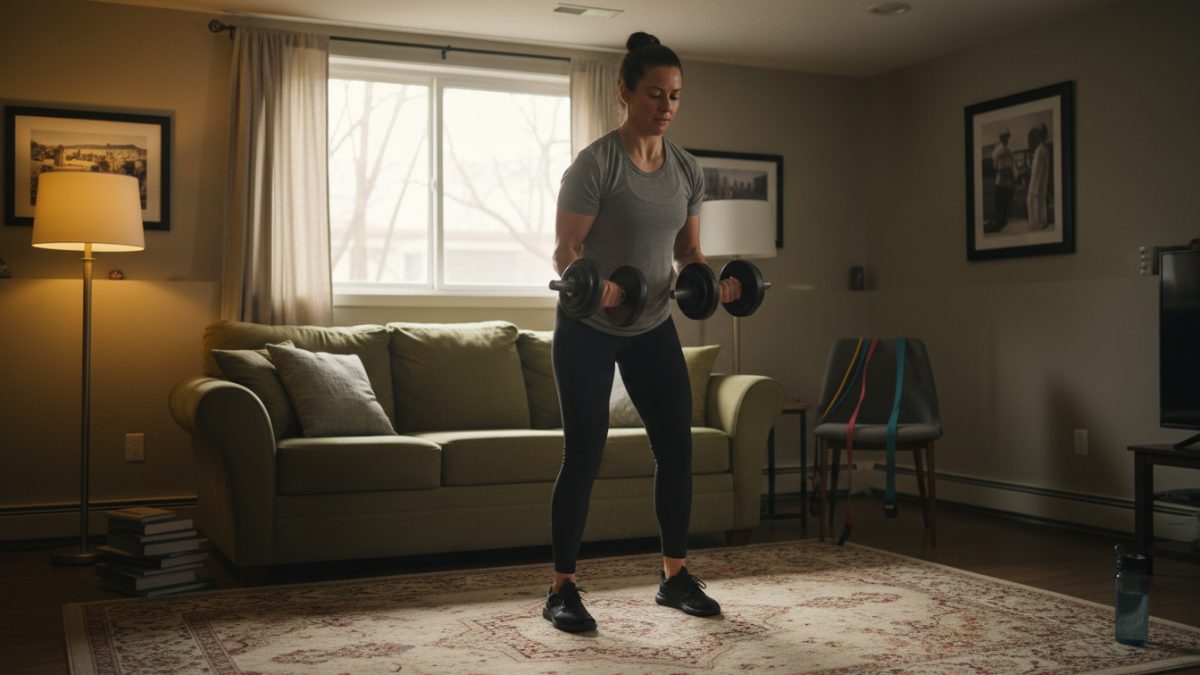
Notice one arm pressing more than the other or one quad looking smaller? Here is a practical, step-by-step strength plan to fix muscle imbalances safely.
Almost every lifter notices some side-to-side difference in strength, size, or coordination. Learning how to fix muscle imbalances can help you train more evenly and clean up obvious compensation patterns. By the end of this guide, you will know how to identify the type of imbalance you are dealing with, adjust your exercise selection and set order, and use a practical 4-day workout plan you can start this week.
1. Identify whether your asymmetry is strength, size, or mobility
Before modifying your routine, determine what kind of asymmetry you are managing. Muscle imbalances generally fall into three categories: strength deficits (one side produces less force), hypertrophy deficits (one side has visibly less muscle tissue), or mobility restrictions (one joint moves through a smaller active range of motion).
To test for strength differences, pick a unilateral movement such as a single-arm dumbbell overhead press or a split squat. Use a moderate load you can lift for roughly 8 to 12 clean repetitions. Perform one hard set on your non-dominant side, stopping when your form would clearly break down, rest for two full minutes, and then repeat on your dominant side with the exact same weight. If your right side completes 10 reps with 35 lb [16 kg] while your left side stops at 6 reps, you likely have a meaningful strength difference worth addressing.
To check for size differences, measure both limbs at the same time of day using a flexible measuring tape at consistent anatomical landmarks (for example, 15 cm above the top edge of the kneecap for quads, or around the peak of the flexed biceps). Small differences are common. If you notice a clear size difference alongside a strength difference, targeted single-limb programming is a reasonable next step.
If the primary issue is joint tightness, catching, or sharp discomfort rather than pure muscular fatigue, visit a physiotherapist or medical professional before loading that movement pattern.
You know this step is complete when you have recorded specific rep numbers and circumferences for both sides across your upper and lower body.
2. Shift primary compound lifts to unilateral variations
When you lift with a barbell, small side-to-side compensations can be harder to notice because both limbs are contributing to the same implement. In some lifters, that means the stronger side does a bit more of the work during presses, squats, or rows. Over time, that can help maintain an existing imbalance if you never include unilateral work.
To reduce this compensation, consider replacing some main bilateral barbell movements with dumbbell, cable, or single-leg machine variations for an 8-to-12-week training block. Swap barbell bench presses for flat or incline dumbbell presses. Replace conventional squats with Bulgarian split squats or walking lunges. Swap barbell bent-over rows for chest-supported single-arm dumbbell rows or single-arm cable rows.
Unilateral movements force each limb to stabilise, balance, and produce force in complete isolation. Your dominant side cannot assist your weaker side, which immediately stops the compensatory loop.
You know this step is working when your weaker side works through the full range of motion without twisting, leaning, or shifting your torso to borrow momentum from the stronger side.
3. Always lead your sets with your weaker side
The order of your working sets can affect performance. If you start a set of single-arm dumbbell rows with your strong arm, your weaker arm may have to work after some local or overall fatigue has already built up, which can make the gap look larger than it really is.
Always start every single-limb set on your weaker or smaller side. If your left leg is smaller and weaker, place your left foot forward first when setting up your Bulgarian split squats. Apply your highest mental focus and effort to that side while your physical energy is completely fresh.
After finishing the set on your weaker side, take a short rest of 30 to 60 seconds before training your dominant side. This brief pause prevents cardiovascular fatigue or core exhaustion from limiting your dominant limb.
You know this step is executed properly when your weaker limb receives your sharpest technical focus and highest effort on every working set.
4. Match load and repetitions to your weaker side
The most important rule when correcting a strength imbalance is allowing your weaker side to set the ceiling for the workout. The load, repetition count, and tempo achieved by your weaker side become the absolute maximum allowed for your stronger side during that session.
For example, if your weaker arm reaches technical failure at 8 repetitions with a 40 lb [18 kg] dumbbell on a single-arm shoulder press, stop your stronger arm at exactly 8 repetitions with that same 40 lb [18 kg] weight—even if you feel you could complete 11 or 12 repetitions.
Continuing to push your dominant side much harder than your weaker side can make the imbalance harder to reduce. Capping the dominant side to the reps and control your weaker side can manage helps keep training stress more balanced while the weaker side catches up.
You know this step is working when the rate of perceived exertion on your dominant side gradually matches the effort on your non-dominant side over successive weeks.
5. Add targeted isolation volume to your lagging limb
When a muscle group exhibits a visible size difference, simply matching volume between sides might take several months to equalize tissue mass. You can accelerate this timeline by adding 1 to 2 extra isolation sets per workout exclusively for the lagging side.
Keep these extra sets confined to low-fatigue, single-joint isolation exercises. Good candidates include single-leg hamstring curls, single-leg leg extensions, cable lateral raises, or single-arm triceps pushdowns. Never add extra sets of heavy compound lifts like split squats or Romanian deadlifts, as those generate significant systemic fatigue and impair recovery for your overall routine.
Perform these bonus sets at the very end of your workout. Select a moderate weight that brings the muscle to technical fatigue in the 10-to-15 rep range, leaving roughly 1 rep in reserve.
You know this step is dialed in when your lagging muscle experiences a deep, localized pump without causing excessive soreness that spills over into your next training day.
6. How to fix muscle imbalances with a balanced weekly template
To put these principles into practice, organize your week around a 4-day upper/lower split that prioritizes unilateral exercises while keeping weekly volume in a sensible range. This sample structure uses a build-muscle style setup with mostly 4 x 6-10 compounds, 3 x 10-15 isolations, and rest periods that fit those exercise types.
| Day | Focus | Primary Exercises | Sets x Reps | Rest |
|---|---|---|---|---|
| Monday | Upper A (Unilateral Focus) | Flat Dumbbell Bench PressSingle-Arm Dumbbell RowHalf-Kneeling Single-Arm DB PressSingle-Arm Cable Tricep Extension | 4 x 6-104 x 6-103 x 8-123 x 10-15 | 120-150 s120-150 s90 s60-90 s |
| Tuesday | Lower A (Unilateral Focus) | Bulgarian Split SquatSingle-Leg Dumbbell RDLSingle-Leg Leg Extension (Lagging side +1 set)Standing Single-Leg Calf Raise | 4 x 6-104 x 6-103 x 10-153 x 12-15 | 120-150 s120-150 s90 s60-90 s |
| Thursday | Upper B (Stability Focus) | Incline Dumbbell PressChest-Supported Neutral Dumbbell RowCable Lateral Raise (Lagging side +1 set)Incline Dumbbell Bicep Curl | 4 x 6-104 x 6-103 x 10-153 x 10-15 | 120-150 s120-150 s90 s60-90 s |
| Friday | Lower B (Bilateral & Machine) | Leg Press (Feet hip-width)Seated Hamstring Curl (Lagging side +1 set)Dumbbell Walking LungeSeated Calf Raise | 4 x 8-104 x 8-123 x 10-12 per leg3 x 12-15 | 120-150 s90 s90-120 s60 s |
Run this routine consistently for 8 to 12 weeks. Retest your single-limb strength using the test from step 1. If the gap is clearly smaller and both sides move with similar control, you can gradually reintroduce bilateral barbell movements while keeping one or two unilateral exercises in your weekly rotation.
If you want a personal version of this setup, FitroLab can build a training program with exercises, sets, reps, rest, and a weekly layout that matches your equipment and goal.
Frequently asked questions
How long does it take to correct a strength difference between sides?
Many lifters notice better control and a smaller performance gap within several weeks, but the timeline depends on how large the difference is, how consistently you train, and whether pain or mobility limits are involved. Visible size changes usually take longer than strength changes.
Should I stop doing barbell lifts completely?
You do not need to abandon barbells forever, but pressing and squatting with a barbell can allow your dominant side to keep compensating. Setting aside bilateral barbells for 8 to 12 weeks while prioritizing dumbbells and cables allows your weaker side to catch up without interruption.
What percentage difference between sides is considered normal?
Small side-to-side differences are common because most people have a dominant arm or leg. The main reason to modify your training is not a precise percentage, but a clear performance gap, a visible asymmetry you want to improve, or repeated movement compensations under load.
This article was written with AI and checked by an automated editor. It is general information, not medical advice: talk to a health professional before starting a new training or nutrition plan. How we write our articles