2-Day Full Body Workout Routine: Build Muscle in Less Time
· 9 min read
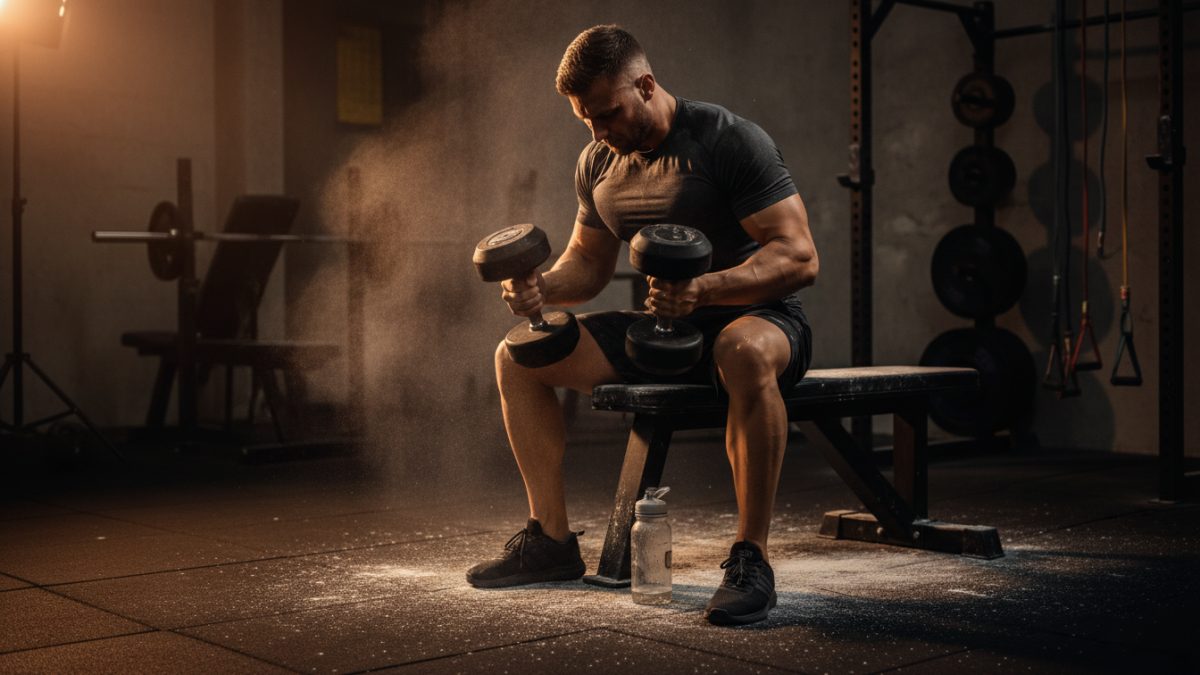
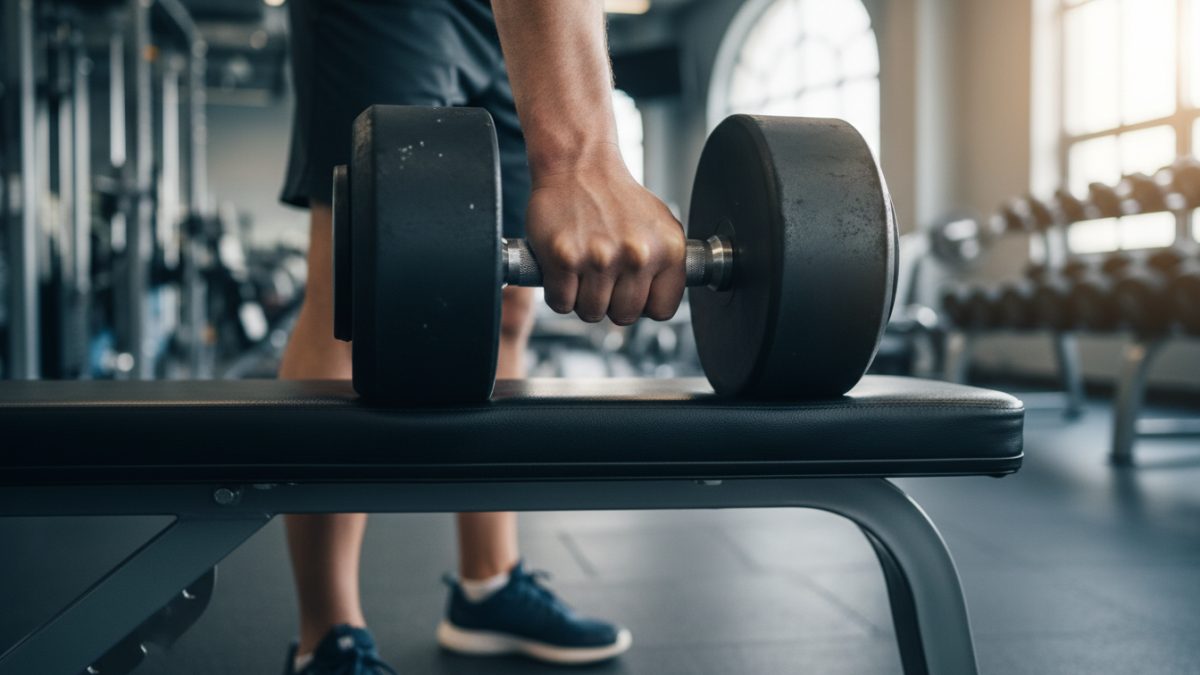
Short on time? A structured 2-day full body workout routine lets you build strength and muscle with just two focused sessions per week.
Life often gets in the way of ambitious four- or five-day gym splits. A structured 2-day full body workout routine allows you to stimulate every major muscle group twice per week, build genuine strength, and maintain momentum even during your busiest seasons.
Whether you are juggling long commutes in the dead of winter, balancing demanding work hours, or cross-training for other sports, training twice a week is far more effective than most lifters realize. When you prioritize high-yield compound lifts and train with focused intent, two well-designed sessions can produce substantial progress.
Why a 2-Day Full Body Workout Routine Works
Many lifters assume that training fewer than four days per week leads to stalled progress. In reality, your muscles respond to mechanical tension, adequate volume, and progressive overload, not how many days your key fob scans at the gym doors.
High Stimulus Frequency
By training your whole body in each session, you give each major muscle group a productive stimulus twice every seven days. For many lifters, twice-weekly exposure works at least as well as a once-weekly body-part split when total weekly hard sets and effort are appropriate.
Exceptional Recovery Window
Training two days per week leaves five full days for rest, cardiovascular conditioning, outdoor sports, or managing daily stress. Lifters who often feel run down, under-slept, or achy may find that a lower training frequency feels more manageable and helps them recover better between sessions.
Realistic Consistency
Consistency always beats an ideal program you cannot sustain. During dark Canadian winter months when getting to the gym feels daunting, committing to just two mandatory sessions per week removes mental friction. You are far more likely to stick to a two-day routine for six months than a five-day routine that falls apart after three weeks.
Core Principles of Effective Low-Frequency Training
Because you only have two sessions, you cannot afford wasted sets or unproductive exercises. Every movement must serve a clear purpose.
- Prioritize multi-joint compound lifts: Squat, hinge, push, and pull variations should make up most of your training. Isolation work can still help, but your limited weekly time is usually best spent on exercises that train more than one joint or muscle group at once.
- Train close to technical failure: With lower overall weekly sets, set quality matters immensely. Aim to end most work sets roughly 1 to 2 reps in reserve (RIR), meaning you could have performed only one or two more clean reps before your form broke down.
- Respect rest intervals: Do not turn your strength work into a breathless circuit. Rest 2 to 3 minutes between heavy compound movements so your nervous system and muscles fully recover between efforts.
- Distribute your training days evenly: Allow at least 48 to 72 hours between your two sessions. A Tuesday/Friday, Wednesday/Saturday, or Sunday/Thursday schedule works best.
Complete 2-Day Full Body Workout Routine for the Gym
This gym-based template uses standard barbells, dumbbells, and cable stations. It alternates movement emphasis across the two days so you build balanced strength without overloading the same joints.
| Day | Exercise | Target Muscle Group | Sets | Reps | Rest |
|---|---|---|---|---|---|
| Workout A | Barbell Back Squat (or Leg Press) | Quads, Glutes | 3–4 | 6–8 | 2.5–3 min |
| (e.g. Tuesday) | Romanian Deadlift | Hamstrings, Glutes | 3 | 8–10 | 2–2.5 min |
| Flat Barbell or Dumbbell Bench Press | Chest, Front Delts, Triceps | 3–4 | 6–8 | 2–2.5 min | |
| Neutral-Grip Lat Pulldown or Pull-Up | Lats, Biceps | 3–4 | 8–10 | 2 min | |
| Standing Dumbbell Lateral Raise | Side Delts | 3 | 12–15 | 90 sec | |
| Standing Calf Raise (or Hanging Leg Raise) | Calves (or Core) | 2–3 | 12–15 | 60–90 sec | |
| Workout B | Barbell or Trap Bar Deadlift | Posterior Chain, Back | 3 | 5–6 | 3 min |
| (e.g. Friday) | Bulgarian Split Squat | Quads, Glutes | 3 per leg | 8–10 | 2 min |
| Standing Overhead Press (Dumbbell or Barbell) | Shoulders, Triceps | 3–4 | 6–8 | 2–2.5 min | |
| Chest-Supported Dumbbell or Cable Row | Upper Back, Lats | 3–4 | 8–10 | 2 min | |
| Incline Dumbbell Bicep Curl | Biceps | 2–3 | 10–12 | 90 sec | |
| Cable Rope Triceps Extension | Triceps | 2–3 | 10–12 | 90 sec |
Workout Execution Cues
- Warm-up: Spend 5 to 8 minutes on dynamic mobility (hip circles, bodyweight squats, band pull-aparts) followed by 2 to 3 progressive warm-up sets on your first big compound lift.
- Workout duration: Each session should take approximately 55 to 70 minutes from start to finish.
Complete 2-Day Home Workout Routine
If you train in your basement or living room, you do not need expensive machines. With a pair of adjustable dumbbells (or a varied set of fixed dumbbells) and an adjustable bench, you can run a demanding full body plan.
| Day | Exercise | Sets | Reps | Rest |
|---|---|---|---|---|
| Home Day A | Goblet Squat (or Dumbbell Front Squat) | 3–4 | 8–12 | 2 min |
| Dumbbell Romanian Deadlift | 3–4 | 10–12 | 2 min | |
| Flat Dumbbell Bench Press (or Floor Press) | 3–4 | 8–10 | 2 min | |
| Single-Arm Dumbbell Row | 3–4 per arm | 8–12 | 90 sec | |
| Dumbbell Lateral Raise | 3 | 12–15 | 60–90 sec | |
| Plank (or Ab Wheel Rollout) | 3 | 45–60 sec | 60 sec | |
| Home Day B | Dumbbell Bulgarian Split Squat | 3 per leg | 8–10 | 90–120 sec |
| Dumbbell Single-Leg Deadlift (or Hip Thrust) | 3 per leg | 10–12 | 90 sec | |
| Seated or Standing Dumbbell Overhead Press | 3–4 | 8–10 | 2 min | |
| Inverted Row (under a table) or Chest-Supported Row | 3–4 | 10–12 | 90 sec | |
| Dumbbell Hammer Curl | 2–3 | 10–12 | 60–90 sec | |
| Overhead Dumbbell Triceps Extension | 2–3 | 10–12 | 60–90 sec |
How to Progress When You Only Lift Twice a Week
Progressive overload is the fundamental driver of muscle growth. Because your training frequency is modest, tracking and improving your performance from week to week becomes even more important.
The Double Progression Method
A practical way to progress is to use rep ranges. For example, if your target for the dumbbell bench press is 3 sets of 8 to 10 reps:
- Week 1: You complete 10, 9, and 8 reps with good form.
- Week 2: You complete 10, 10, and 9 reps with the same load.
- Week 3: You complete 10, 10, and 10 reps.
- Week 4: Once you reach the top of the rep range on all sets, increase the load by the smallest practical amount and build back up from the lower end of the range.
If you train at home and your dumbbells jump in larger increments, add reps first, slow the lowering phase, or add a brief pause to keep progressing safely.
Managing Set Quality
Resist the urge to add four or five sets of extra exercises just because you have fewer training days. Pushing 6 to 8 hard sets per muscle group per week with clean technique, controlled eccentrics (lowering phase), and full ranges of motion produces far better results than grinding through 15 sloppy sets.
Nutrition and Recovery Between Sessions
Training twice a week creates a clear stimulus, but your diet and recovery habits determine whether your body repairs and builds new tissue.
Daily Protein and Hydration
- Protein intake: Aim for 1.6 to 2.2 grams of protein per kilogram of body weight (roughly 0.7 to 1.0 grams per pound) distributed over 3 to 4 meals daily. Familiar Canadian staples like Greek yogurt, eggs, cottage cheese, canned salmon, chicken breast, and lentils make hitting these targets straightforward.
- Hydration: Heated indoor environments in winter can quietly increase fluid needs for some people. Drink fluids regularly and aim for pale yellow urine most of the time, keeping in mind that some foods, vitamins, and medications can change urine colour.
Active Recovery on Non-Lifting Days
Do not spend your five non-lifting days completely sedentary. Light activity increases blood circulation, reduces muscle soreness, and supports cardiovascular health:
- Aim to stay generally active on most days through outdoor walks, mall walks during freezing weather, or treadmill work. A step target such as 7,000 to 10,000 can be useful, but it is optional rather than mandatory.
- Perform 20 to 30 minutes of low-intensity cardio (cycling, rowing, or swimming) once or twice during the week.
- Prioritize 7 to 9 hours of quality sleep nightly to optimize hormonal recovery and tissue repair.
Common Mistakes to Avoid
Even with a solid structure, lifters can make subtle programming errors that hinder their results.
- Treating the session like an endurance circuit: Rushing from exercise to exercise with minimal rest limits how much weight you can move. Keep your heart rate manageable so your target muscles, not your cardiovascular stamina, remain the limiting factor on heavy lifts.
- Skipping the lower body work: Because full body sessions can be physically demanding, some lifters neglect their legs or rush through squats and hinges. Your lower body contains the largest muscle mass; training it consistently drives overall strength development.
- Training on back-to-back days: Lifting on Saturday and Sunday back-to-back because of convenience is better than not lifting at all, but it is sub-optimal. Training consecutive days leaves you fatigued for the second session and creates a five-day gap without stimulus. Space your sessions out whenever possible.
Getting Started with Your Routine
A two-day full body split is not a compromise—it can be an efficient, sustainable strategy for building muscle while maintaining balance in your daily life. Commit to these two weekly sessions for the next eight to twelve weeks, focus on adding reps or load whenever your form allows, and give your body the rest and fuel it needs to recover and adapt. If you want a structured plan tailored to your available equipment and schedule, FitroLab can generate a personalized training program with exercises, sets, reps, and rest periods to match your goals.
Frequently asked questions
Can you actually build muscle working out only 2 days a week?
Yes, many people can. If you train consistently, use enough hard sets, choose effective exercises, and progress over time, lifting twice a week can be enough to build muscle and strength. Your results will still depend on your training history, exercise quality, recovery, and nutrition.
How long should a 2-day full body workout take?
A well-structured full body session typically takes between 55 and 75 minutes. This includes a 5-minute dynamic warm-up, ramp-up sets for your primary compound exercises, and 2 to 3 minutes of rest between heavy sets.
Should I do cardio on my off days?
Yes, moderate cardiovascular exercise is encouraged on non-lifting days. Low-impact activities such as brisk walking, stationary cycling, or light jogging support heart health, improve recovery between training sessions, and do not interfere with your strength gains.
What if I can only train on consecutive days like Saturday and Sunday?
While spacing your workouts 48 to 72 hours apart is ideal for recovery, training on back-to-back days is still effective if your schedule demands it. To manage fatigue, place heavier compound movements on day one and use slightly higher rep ranges with less spinal loading on day two.
This article was written with AI and checked by an automated editor. It is general information, not medical advice: talk to a health professional before starting a new training or nutrition plan. How we write our articles