Calorie Surplus but Not Gaining Weight: 5 Causes & Fixes
· 7 min read

Eating more food every day but the scale refuses to move? Here are the 5 most common reasons your calorie surplus is not leading to weight gain and how to fix each one.
You have increased your meal portions, added peanut butter to your morning oats, and made a conscious effort to eat more food every day. Yet after three or four weeks of stepping on the scale, your body weight has barely budged. Dealing with a calorie surplus not gaining weight is frustrating, especially when it feels like you spend your entire evening uncomfortably full.
Building muscle requires energy, and when your body weight remains completely flat across several weeks, your actual energy intake is matching your actual energy expenditure. Before assuming your metabolism is broken or forcing down uncomfortably large meals, walk through these five common causes to pinpoint where the gap lies.
1. Unconscious NEAT compensation is burning the extra calories
When you increase your caloric intake, your body naturally tries to maintain energy balance. For many people, extra calories trigger an involuntary spike in Non-Exercise Activity Thermogenesis (NEAT). You might start fidgeting more at your desk, pacing while talking on the phone, walking with a quicker stride during daily errands, or finding yourself with surplus energy that keeps you on your feet longer throughout the day.
This extra movement can meaningfully raise your daily energy expenditure, sometimes enough to erase a small planned surplus. What looked like a 300 kcal surplus on paper can end up much smaller in real life, leaving your scale weight unchanged.
How to check: Review your daily step count on your phone or smartwatch over the past month. If your average daily steps jumped from 6,500 to 11,000 after you started eating more food, your NEAT has ramped up and wiped out your intended surplus. Even without a step counter, pay attention to how restless, energetic, or warm you feel during normal working hours.
How to fix it: Add an extra 200 to 250 kcal to your current daily intake to outpace your elevated activity. Focus on compact, calorie-dense foods that do not fill your stomach completely, such as 30 g of mixed nuts, 15 ml of olive oil drizzled over dinner, or 250 ml of whole milk (or fortified soy milk). Keep your daily routine consistent so your physical activity level stabilizes.
2. Your weekly average intake is lower than you think
You might hit a genuine 300 kcal surplus from Monday through Friday afternoon, but if your eating habits change on the weekend, your weekly average drops. Sleeping in late, skipping breakfast, spending hours running errands around town, or replacing balanced meals with lighter social snacks can easily drag your Saturday and Sunday intake below your baseline needs.
Energy balance operates across days and weeks, not isolated 24-hour windows. A surplus of 300 kcal for five days (+1,500 kcal) paired with an unintended deficit of 750 kcal on Saturday and Sunday combined (-1,500 kcal) leaves your net weekly balance at zero.
How to check: Track everything you eat and drink on Saturday and Sunday with the same precision you use during the work week. Compare your total caloric intake across all seven days. If your weekend average is 400 kcal lower than your Monday-to-Thursday average, weekend inconsistency is why your scale is stuck.
How to fix it: Build a weekend eating routine that matches your weekday calorie target. If you sleep later on Saturdays, make your first meal larger or use a dense smoothie with oats, Greek yogurt, fruit, and nut butter to make up for missed morning calories. The goal is not to eat perfectly every day; it is to keep your weekly average intake high enough to support weight gain.
3. Inaccurate portion estimates on calorie-dense staples
Eyeballing food portions works well for general maintenance, but small measuring errors on energy-dense staples create significant tracking discrepancies. A tablespoon of peanut butter scooped with a regular dinner spoon can range from 15 g to 35 g. Cooking oil poured straight from the bottle without a measuring spoon can easily vary by 10 to 15 ml.
If you accidentally overestimate these items in your tracking log, you think you are eating 3,000 kcal when you are actually only consuming 2,650 kcal. This phantom surplus explains why your training is going well while your body weight stays unchanged.
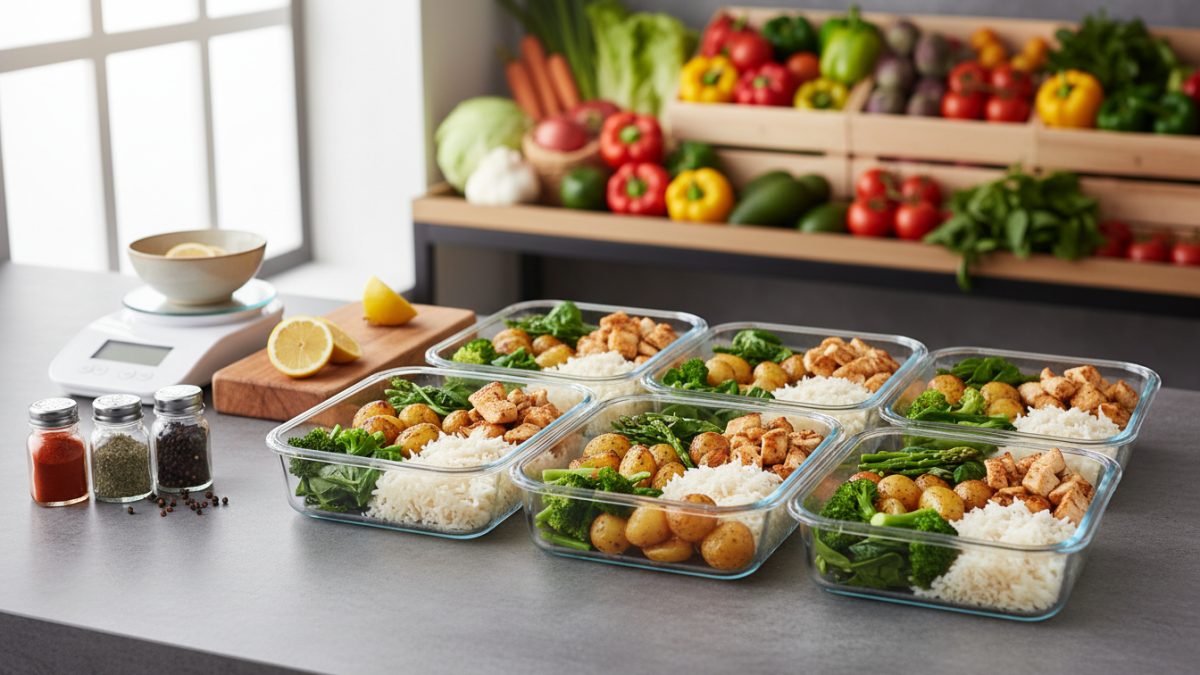
How to check: Use a digital kitchen scale to weigh every ingredient for three consecutive days, including cooking oils, dressings, nut butters, and liquid beverages. Compare the weighed numbers against what you previously logged by sight or volume spoons.
How to fix it: Weigh calorie-dense items in grams on a digital kitchen scale for a couple of weeks until your visual estimates become more reliable. Focus especially on fats, dry grains, cereals, and calorie-containing drinks, where small errors can make a big difference to your daily totals.
4. High dietary fibre creates early fullness before hitting calorie goals
Prioritizing whole, nutrient-dense foods is useful for long-term health, but a very high-fibre diet can work against you when trying to gain weight. If your meals are built around very large servings of raw vegetables, high-fibre grains, legumes, and very lean protein, the total food volume can make you feel full before you reach your calorie target.
When high fullness causes you to estimate portions conservatively, leave food on your plate, or skip your evening snack, your actual intake falls short of what your body requires for steady tissue growth.
How to check: Review your daily food log for total fibre intake. If your fibre intake is very high and you regularly struggle to finish meals, food volume may be blunting your appetite. Another useful clue is feeling bloated or physically uncomfortable for hours after eating.
How to fix it: Keep enough vegetables and fruit to support micronutrient needs, but swap some high-volume foods for lower-volume carbohydrates if fullness is making it hard to eat enough. Replace brown rice or massive sweet potatoes with white rice, pasta, sourdough bread, or cream of rice. These digest smoothly and allow your hunger to return naturally in time for your next scheduled meal.
5. Natural fluid and digestive fluctuations are masking your weight trend
Body weight can fluctuate noticeably from day to day because of hydration, carbohydrate storage, sodium intake, and digestive transit time. If you weigh yourself only once a week—say, every Sunday morning—a single lighter weigh-in can hide a slow upward trend.
When aiming for a controlled surplus, a common starting target is roughly 0.25% to 0.5% of body weight per week. For a 75 kg person, that is about 0.2 to 0.4 kg per week. Small gains like that are easy to miss if you focus on single weigh-ins instead of the weekly average.
How to check: Look at how often you log your weight. If you rely on occasional, sporadic weigh-ins, you lack the data needed to evaluate your surplus accurately.
How to fix it: Weigh yourself three to four mornings per week, immediately after using the washroom and before drinking water. Take the weekly average of those morning readings and compare week-over-week trends rather than reacting to single-day numbers. A realistic target progression across four weeks looks like this:
| Week | Weekly Average Weight | Trend Adjustment |
|---|---|---|
| Week 1 | 165.0 lb (75.0 kg) | Baseline reference |
| Week 2 | 165.2 lb (75.1 kg) | Hold current food target |
| Week 3 | 165.2 lb (75.1 kg) | Hold current food target |
| Week 4 | 165.4 lb (75.2 kg) | Increase daily intake by 150 to 200 kcal |
If your weekly average shows no upward movement over three full weeks, increase your daily intake slightly and keep measuring the weekly trend.
What to do if your weight still will not budge
If you have checked your weekly consistency, weighed calorie-dense foods, adjusted high-volume meals, tracked weekly weight averages, and still see no upward trend after a few weeks, your actual energy expenditure is probably higher than you estimated. Increase your daily intake by another 150 to 250 kcal, ideally from foods that are easy to eat consistently, such as milk, fortified soy milk, yogurt, cereal, trail mix, or fruit smoothies.
If you consistently eat far more than expected for your size and activity level and still lose weight, or you have ongoing digestive symptoms such as frequent diarrhea, pain, or unexplained fatigue, speak with a doctor or a registered dietitian. Those signs deserve a proper assessment for possible digestive, metabolic, or other medical issues.
If you want personal nutrition targets that adjust with your progress, FitroLab can set flexible daily calorie and macronutrient goals and give you a meal plan you can actually follow.
Free calculators for this topic
This article was written with AI and checked by an automated editor. It is general information, not medical advice: talk to a health professional before starting a new training or nutrition plan. How we write our articles