What to Eat After an Evening Workout: Late Dinner Guide
· 7 min read
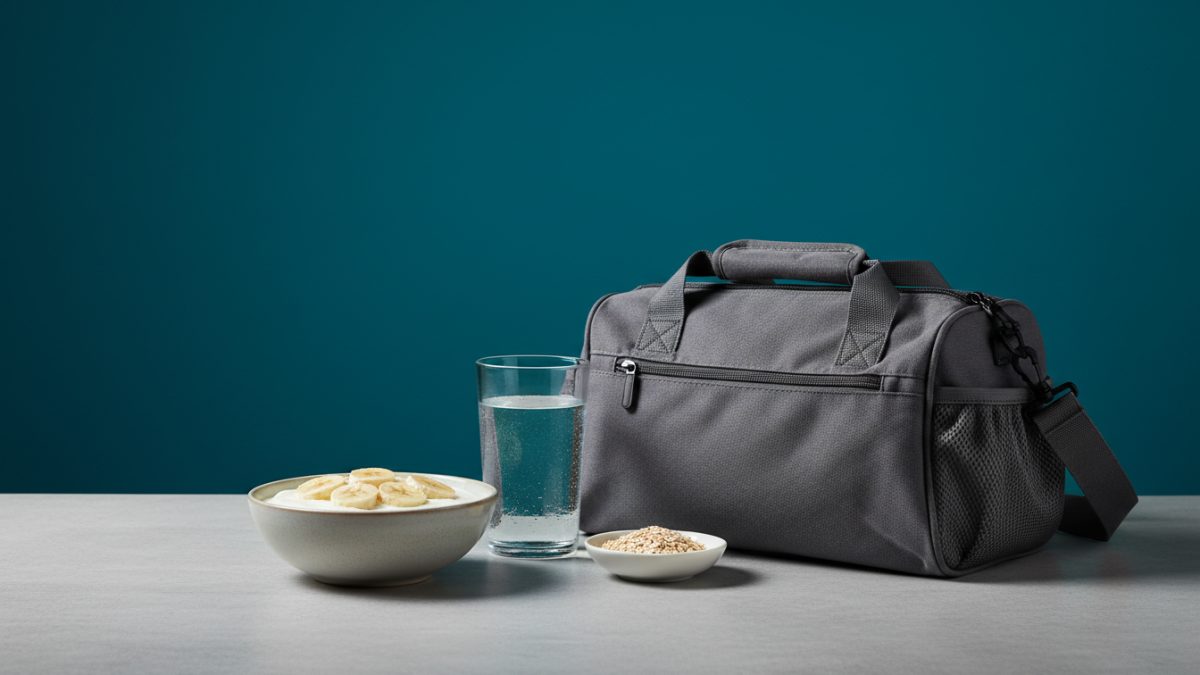
Finishing a workout after 8:00 PM creates a dilemma: eat enough to support muscle recovery, or keep it light so you can actually sleep. Here is how to fuel late sessions properly.
Training after work or finishing a session past 8:00 PM creates an immediate dilemma between recovery and rest. You need nutrients to kickstart muscle repair, but eating a massive dinner an hour before bed can leave you tossing, turning, and dealing with acid reflux. Finding what to eat after an evening workout comes down to selecting meals that deliver adequate protein and easily digestible carbohydrates without overwhelming your digestive system.
Why evening post-workout nutrition is different
During a daytime workout, digestion speed is rarely a primary concern. You can eat a large bowl of beef, rice, and fibrous vegetables at 1:00 PM and go about your afternoon while your body processes the nutrients over several hours. Late at night, your physiological priorities shift.
When you sleep, your core body temperature drops, and large or rich meals can feel less comfortable close to bedtime. Meals high in fat, very spicy foods, or unusually large portions may slow digestion and, in some people, contribute to reflux or disrupted sleep. Tolerance varies, so use these as practical guidelines rather than hard rules.
At the same time, eating some protein after a hard evening session can help support recovery, especially if your last meal was several hours earlier. You do not need a huge meal or a strict anabolic window, but a protein-rich snack or dinner is a practical way to cover recovery before an overnight fast.
The three rules of a late post-workout meal
Managing late-night nutrition becomes simple when you follow three basic rules for meal composition and timing.
1. Prioritize a protein-rich meal or snack
A practical target for most adults is roughly 20 g to 40 g of high-quality protein after training, adjusted to body size and your total daily intake. Good options include whey or soy protein, eggs, Greek yogurt, skyr, cottage cheese, tofu, and lean poultry such as chicken breast or turkey. Dairy proteins can work well before bed because many people find them filling without being too heavy.
2. Choose carbohydrates you digest well
Carbohydrates can help replenish glycogen after training, especially if the session was long or hard, or if you train again the next day. Late at night, many people prefer lower-fibre options instead of very large servings of raw vegetables or beans, which can feel heavy. Good choices include rice, toast, oats, bananas, cereal, potatoes, or fruit.
3. Keep the meal moderate in fat if you are eating close to bed
Fat is part of a healthy diet, but a very fatty meal can sit heavily if you are about to lie down. If bedtime is close, keep portions moderate and save deep-fried foods, rich sauces, and very fatty cuts of meat for earlier in the day if they bother your sleep or digestion.
Best foods for late-night muscle recovery
Stocking your kitchen with items that require minimal prep and digest cleanly makes sticking to your routine effortless after a tiring evening session.
Dairy and dairy alternatives
- 0% or 2% Plain Greek Yogurt / Skyr: Packed with roughly 18 g to 22 g of protein per 175 g serving, rich in calcium, and virtually fat-free.
- 1% or 2% Cottage Cheese: High in slow-digesting casein protein. Blending it smooth makes a light base for sweet or savoury bowls.
- Ultra-Filtered Milk: Provides roughly 13 g to 15 g of protein per 250 ml cup with less lactose and sugar than standard milk.
Lean meats and poultry
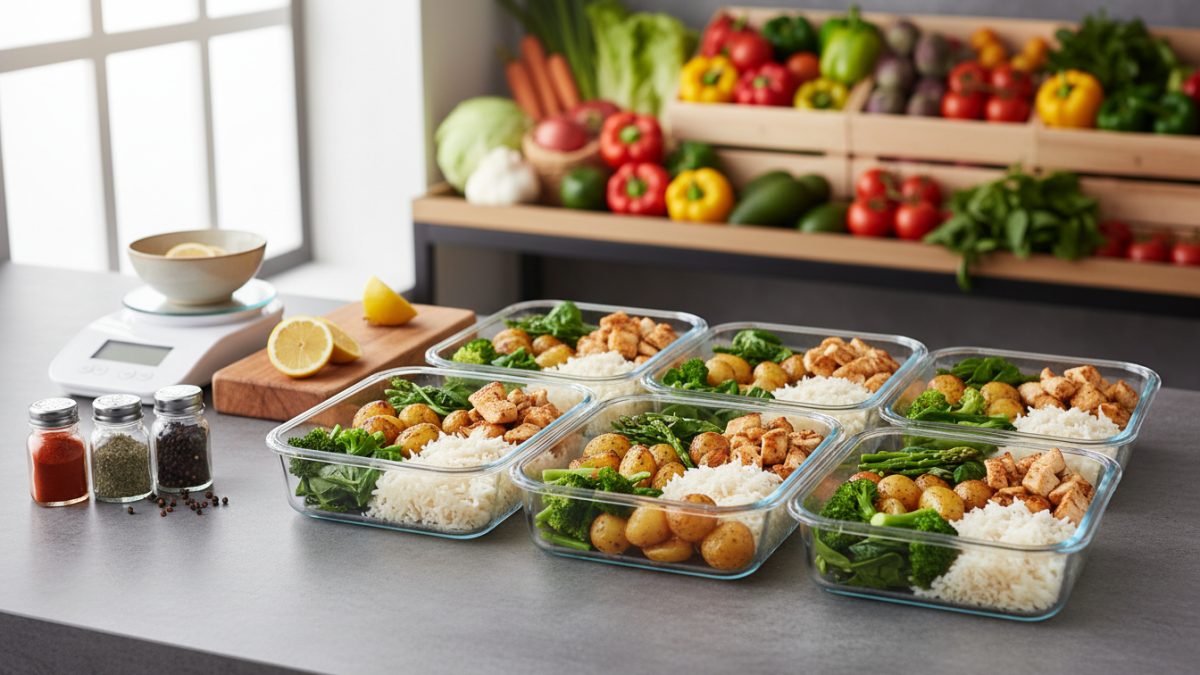
- Skinless Chicken or Turkey Breast: Quick to digest when baked, poached, or pan-seared with minimal oil.
- White Fish (Cod, Haddock, Tilapia): Extremely lean, very fast to break down in the stomach, and gentle on sensitive digestion.
- Liquid Egg Whites: High bioavailability; can be scrambled quickly or mixed into warm oats.
Fast-digesting carbohydrate bases
- Quick Oats or Rolled Oats: Soft, soothing on the gut, and provide moderate fibre alongside complex starches.
- White Rice or Sourdough: Low residue carbohydrates that digest rapidly without causing gastrointestinal distress.
- Ripe Bananas and Frozen Berries: Add potassium, easy carbohydrates, and micronutrients without heaviness.
Sample post-workout meals for late-night lifters
The ideal meal depends on how much time you have between putting down your fork and turning off the lights. Here are four practical options structured by preparation time and digestive load.
| Meal Option | Key Ingredients | Protein | Carbs | Fat | Prep Time | Best Window Before Bed |
|---|---|---|---|---|---|---|
| Greek Yogurt Recovery Bowl | 250 g 0% Greek yogurt, 1 banana, 30 g rolled oats, 10 g honey | ~30 g | ~55 g | ~3 g | 3 min | 45–60 min |
| Quick Chicken & Jasmine Rice | 130 g cooked chicken breast, 150 g cooked white rice, steamed zucchini | ~38 g | ~42 g | ~4 g | 5 min (prepped) | 90–120 min |
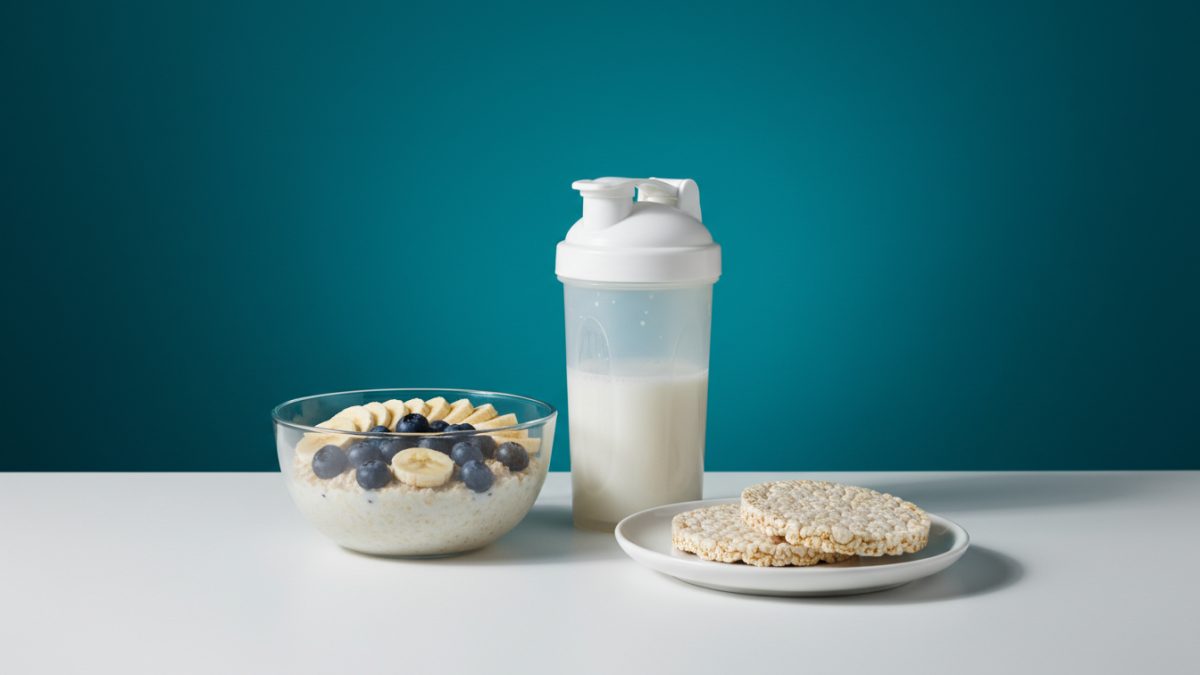
| Warm Protein Oatmeal | 45 g quick oats, 1 scoop whey isolate stirred off-heat, 80 g blueberries | ~32 g | ~40 g | ~4 g | 5 min | 45–60 min |
| Cottage Cheese Toast | 200 g 1% cottage cheese, 2 slices toasted sourdough, sliced tomato | ~28 g | ~38 g | ~4 g | 4 min | 60–90 min |
How to adjust for fat loss versus muscle gain
If your goal is fat loss, keep the meal protein-rich and fit it into your daily calorie target. That might mean a smaller carb portion, such as Greek yogurt with fruit or eggs on toast. If your goal is muscle gain, use a larger portion of rice, oats, bread, potatoes, or fruit so the meal helps you reach your daily calorie and carbohydrate targets.
What to avoid eating after training late
Certain common fitness foods work well at midday but cause problems when consumed shortly before sleep:
- Very heavy, high-fat meals: A double bacon cheeseburger or a plate of fatty steak and buttery potatoes may feel too heavy close to bedtime and can increase the chance of reflux or discomfort for some people.
- Cruciferous Vegetables in Large Volumes: Raw broccoli, cauliflower, cabbage, and large volumes of beans can cause bloating and gas pressure when you lie horizontal.
- High-Stimulant Pre-Workouts and Caffeinated Protein Shakes: Avoid ready-to-drink shakes that contain added green tea extract, coffee bean extract, or caffeine. Always check labels if training after 5:00 PM.
- Excessive Spicy Sauces: Hot peppers, sriracha, and heavy chilli flakes can trigger nighttime heartburn and increase resting core temperature, delaying sleep onset.
Late workouts, sleep quality, and digestion
Your nighttime recovery is only as good as your sleep. If you finish lifting at 9:30 PM and plan to sleep by 11:00 PM, a solid whole-food meal might feel too heavy sitting in your stomach. In that scenario, a liquid or semi-liquid option works best.
A shake made with 25 g to 30 g of whey or soy protein, 250 ml of milk or a fortified plant drink, and a banana is an easy option when a full meal feels too heavy. It gives you protein and carbohydrates without much prep and is often easier to tolerate late at night.
Hydration also requires balance late in the day. Rehydrate after sweating, but avoid drinking a very large volume right before bed if that tends to wake you up to use the bathroom. A glass of water with your meal is often enough, and longer or sweatier sessions may justify more fluid or a drink with electrolytes.
Setting daily calorie and macronutrient targets that align with your workout schedule makes planning these meals straightforward. In FitroLab, your daily nutrition targets automatically balance protein, carbs, and fats to match your body weight and training demands so you never have to guess your portions.
Frequently asked questions
Will eating carbs late at night make me gain body fat?
Not by themselves. Body fat gain is mainly driven by your total calorie intake relative to your needs over time, not simply by eating carbohydrates at night. After an evening workout, carbs can be a useful and completely reasonable part of your meal if they fit your daily intake.
Can I just drink a whey protein shake and go to sleep?
Yes, if that is what you tolerate best. If you train very late or have little appetite, a protein shake on its own or with milk and fruit can be a practical option. If you regularly wake up hungry, a slightly more filling snack such as yogurt, skyr, cottage cheese, or toast may work better.
How long should I wait to sleep after eating my post-workout meal?
For a standard solid meal containing lean meat and rice, wait roughly 60 to 90 minutes before lying flat. For lighter meals like Greek yogurt, cottage cheese, or a protein smoothie, 30 to 45 minutes is usually sufficient to avoid reflux or discomfort.
If you want clear, personalized nutrition numbers built around your body and schedule, FitroLab can generate daily nutrition targets and meal plans you can adjust around late training sessions.
Free calculators for this topic
This article was written with AI and checked by an automated editor. It is general information, not medical advice: talk to a health professional before starting a new training or nutrition plan. How we write our articles