What to Eat Before a Workout: Pre-Workout Meal Timing
· 5 min read
A practical guide on what to eat before a workout, covering meal timing from three hours out to 30 minutes before your first set.
What to eat before a workout is usually simple: eat easy-to-digest carbohydrates, and add some protein if you have time to digest it. For most lifting sessions, a meal or snack 30 minutes to 3 hours before training works well, but the best choice depends on how much time you have and what your stomach tolerates.
How much you eat and which specific food sources you choose depend directly on how much time you have before your first working set. The closer you are to training, the simpler and lighter your food needs to be.
1. Eating 2 to 3 hours before training: the complete meal
When you have two to three hours before lifting, you can eat a balanced, solid meal. This window allows enough time for your stomach to break down mixed nutrients, releasing a steady stream of amino acids and glucose into your bloodstream.
Your target for this meal should be:
- Carbohydrates: 0.5 to 1.0 g per kg of body weight (around 40 to 80 g for an 80 kg [176 lb] lifter), relying on complex, low-to-moderate glycemic sources.
- Protein: 25 to 40 g of lean protein.
- Fats and fibre: Keep both moderate if you are prone to stomach discomfort. Many people do well with a meal that is not especially high in fat or fibre before lifting, but the exact amount is individual.
Practical complete meal ideas
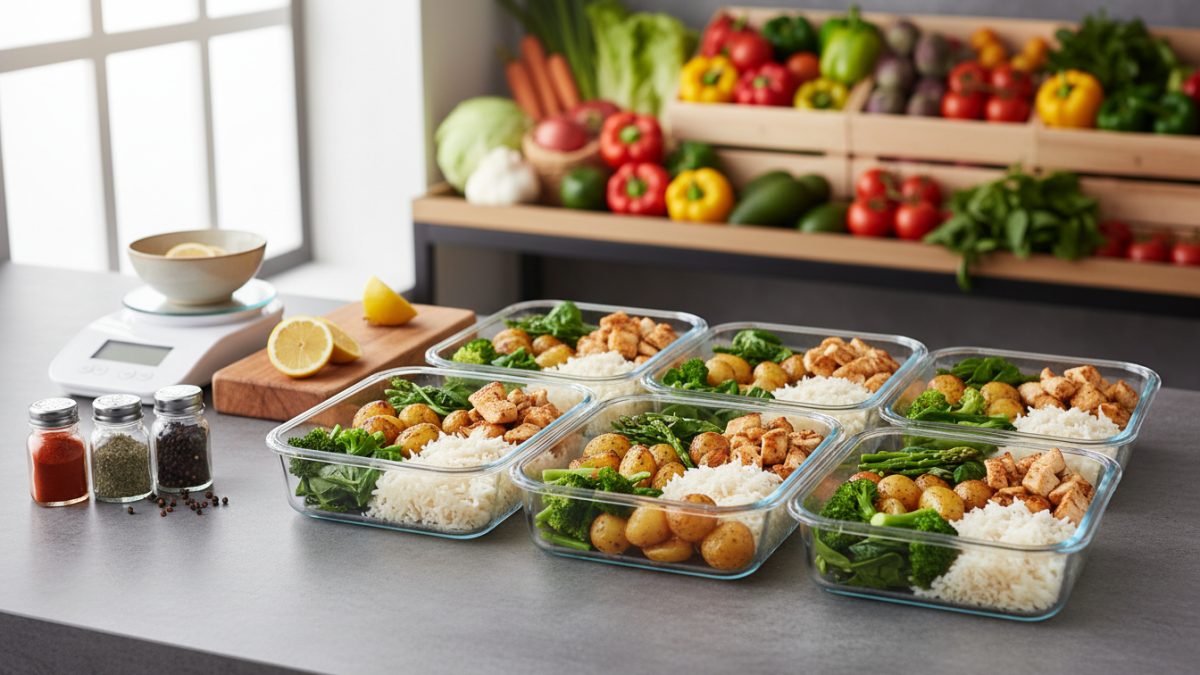
- Chicken, rice, and vegetables: 150 g of grilled chicken breast, 200 g of cooked jasmine or basmati rice, and a cup of steamed zucchini or green beans.
- Oatmeal and whey: 75 g of rolled oats cooked in water or skim milk, one scoop (around 30 g) of whey protein powder stirred in, topped with 100 g of sliced banana or blueberries.
- Lean ground beef and sweet potato: 140 g of extra-lean ground beef (90% lean or higher), 250 g of baked sweet potato, and a light side salad with a teaspoon of olive oil.
- Tofu stir-fry: 200 g of firm tofu pan-seared with 180 g of cooked white rice and mixed bell peppers, using minimal cooking oil.
2. Eating 30 to 60 minutes before training: the quick fuel snack
If you train straight after work or prefer a snack right before training, keep it light. Larger amounts of fat, fibre, or bulky foods can sit heavily in the stomach for some people and may increase the chance of bloating, sluggishness, or reflux during hard sets.
In this short window, the goal is fast-digesting carbohydrates with minimal digestive friction, optionally paired with 10 to 20 g of fast-absorbing protein.
| Timing | Carbohydrates | Protein | Fat & Fibre | Example Snack |
|---|---|---|---|---|
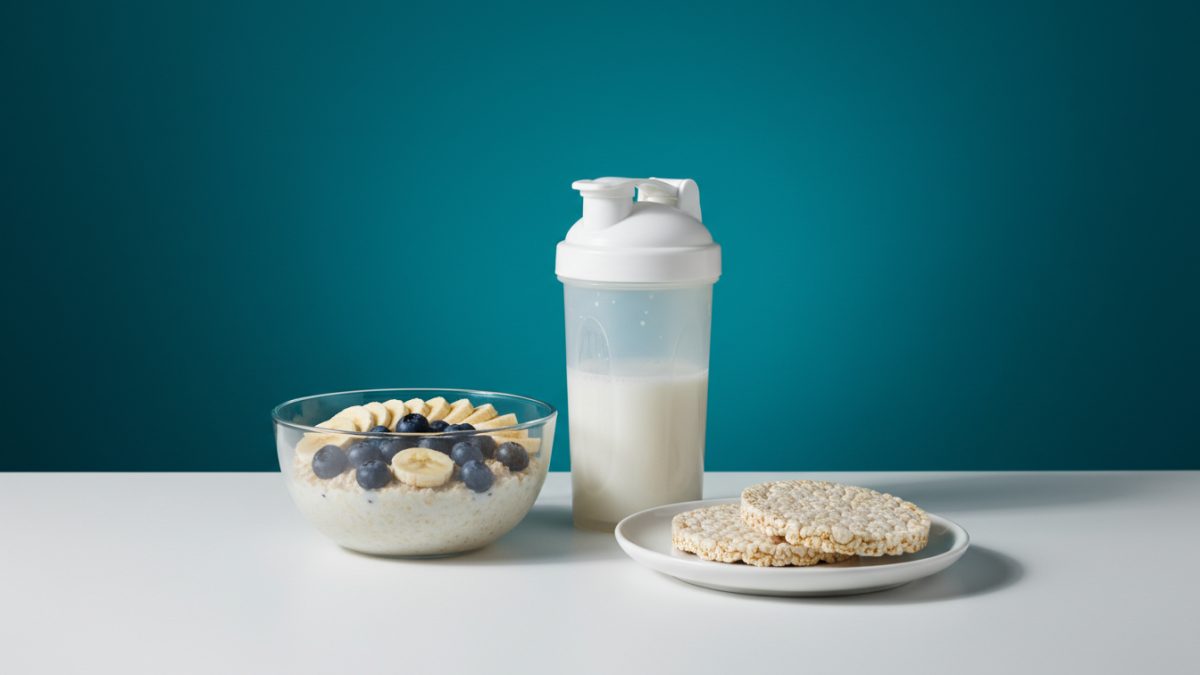
| 30–60 min before | 25–45 g | 10–20 g (optional) | Keep minimal (< 3 g) | 2 rice cakes with 1 tbsp honey + 150 g 0% Greek yogurt |
| 30–60 min before | 30–40 g | 15–20 g | Keep minimal (< 2 g) | 1 large banana + 1 scoop whey isolate mixed with water |
| 15–30 min before | 20–30 g | Negligible | Zero fat or fibre | 1 large banana or 30 g dried dates or fruit puree pouch |
Liquid and semi-liquid carbs can work well here because they are often easier to tolerate close to training than a full solid meal.
3. Early morning workouts: what to eat before a workout when time is tight
Training at 6:00 a.m. creates a unique challenge: you may not have time for a full breakfast, and solid food may not feel good right after waking. Some people train fine without eating first, but others feel better with a small snack or drink before they start.
If you cannot tolerate solid food upon waking, try these options 15 to 30 minutes before your warm-up:
- A carb-rich beverage: 250 to 300 ml of orange juice, or another drink you tolerate well, to get some quick carbohydrates in.
- Liquid meal: Half a scoop of whey protein shaken with 200 ml of skim milk and a blended banana.
- Dry, simple carbs: Two plain rice cakes, a slice of white sourdough toast with a thin layer of jam, or a small box of raisins.
If you wake up thirsty, have some water before training. A glass or two is enough for many people, and you can adjust based on sweat rate, session length, and how much you usually drink in the morning.
4. What to adjust based on training type and digestion
Not every training session demands the same pre-workout nutrition strategy. Adjust your intake based on the volume, intensity, and physical demands of your session.
Heavy compound lifting sessions
Workouts built around heavy squats, deadlifts, and bench presses put substantial intra-abdominal pressure on your core. Eating too close to these workouts or consuming foods high in insoluble fibre (like raw broccoli, beans, or high-bran cereals) can cause acute stomach discomfort. Keep meals at least 90 minutes away from heavy leg days, and stick to easily digestible starches like white rice, cream of rice, or potatoes.
Moderate hypertrophy and upper-body sessions
Higher-volume bodybuilding-style sessions can feel better when you have eaten beforehand, especially if you trained earlier in the day or your last meal was several hours ago. If your session will last more than about 60 minutes, having some carbohydrate in the previous 2 to 3 hours is often helpful.
Individual digestive sensitivity
Digestion rates vary between individuals. If you know you have a slower digestive transit time, push your main pre-workout meal out to three and a half hours prior to training, and rely only on light fruit or liquid carbs inside the final hour.
5. Put this into practice
What you eat right before lifting matters less than people think if your overall daily intake is already solid. Use this simple rule:
- 2 to 3 hours before: eat a normal meal with carbs and protein.
- 30 to 60 minutes before: choose a light carb-based snack, with a little protein if you tolerate it.
- 15 to 30 minutes before: keep it very small and easy to digest, or skip it if you feel better training that way.
Then test it for a week or two and adjust based on energy, stomach comfort, and how your sets feel. If you want help setting daily nutrition targets and building meals around your training schedule, FitroLab can do that.
Free calculators for this topic
This article was written with AI and checked by an automated editor. It is general information, not medical advice: talk to a health professional before starting a new training or nutrition plan. How we write our articles