How to Hit 150g of Protein a Day: Real Food Meal Plan
· 6 min read
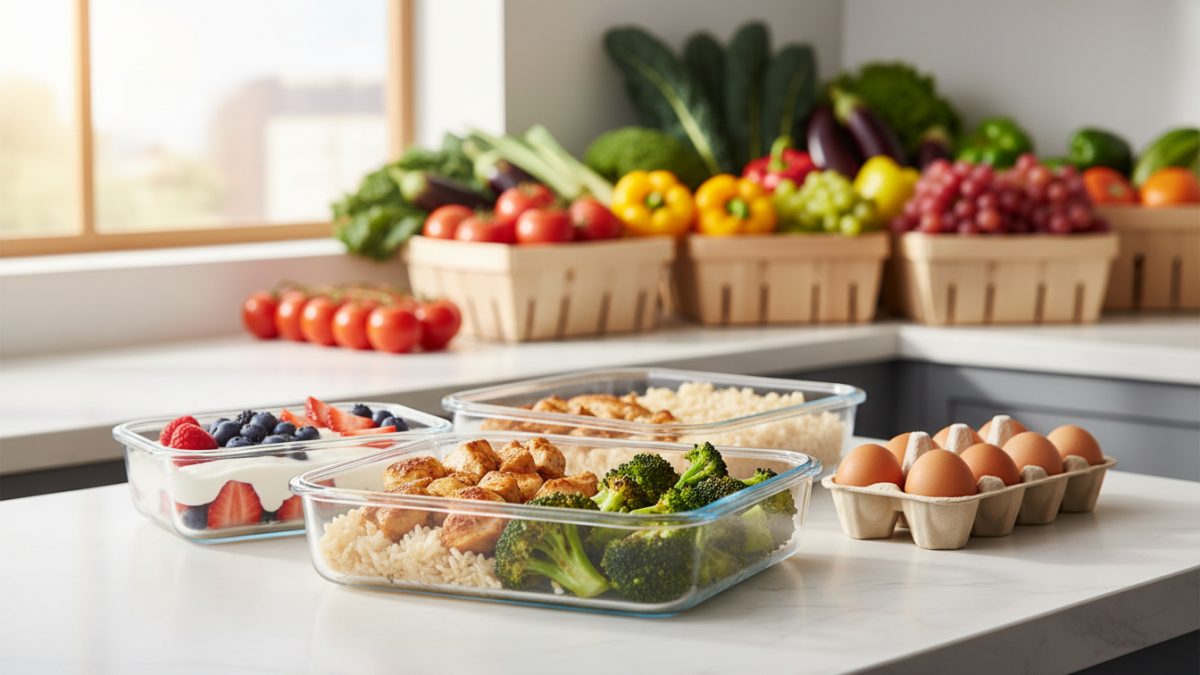
Reaching a higher daily protein target does not require endless protein shakes. Here is a realistic daily meal plan showing how to hit 150 grams of protein.
Hitting a higher protein target gets much easier when each meal does part of the work. In practice, that usually means building two or three meals around clear protein anchors, then topping up the rest with a snack or two instead of leaving 40 grams for the end of the day.
Say you weigh 175 lb (79 kg), train three mornings a week before work in a condo gym, and sit at a desk for most of your workday. A target of 150 grams of protein can be a reasonable option for someone in that situation, depending on total body size, calorie intake, and preferences. You have standard cookware, a 30-minute lunch window between video calls, and no desire to cook three separate times every single day. Here is what a complete day looks like using groceries you can grab at any Canadian supermarket.
| Meal | Food Items and Portions | Protein (g) | Carbs (g) | Fat (g) | Calories (kcal) |
|---|---|---|---|---|---|
| Breakfast (7:30 AM) | 3 large eggs, 125 ml liquid egg whites, 2 slices whole grain bread, 5 g butter | 35 | 30 | 18 | 425 |
| Lunch (12:30 PM) | 140 g cooked chicken breast, 175 g cooked long-grain rice, 100 g steamed broccoli, 10 ml olive oil | 45 | 48 | 14 | 500 |
| Afternoon Snack (3:30 PM) | 200 g plain 0% Greek yogurt, 100 g frozen blueberries, 20 g chopped walnuts | 23 | 22 | 13 | 300 |
| Dinner (7:00 PM) | 150 g cooked extra-lean ground beef (90/10), 225 g roasted baby potatoes, mixed greens with 10 ml light vinaigrette | 42 | 44 | 16 | 490 |
| Evening Snack (9:15 PM) | 150 g 2% cottage cheese, 10 g chia seeds, ground cinnamon | 19 | 7 | 6 | 160 |
| Full Day Total | 164 g | 151 g | 67 g | 1,875 kcal |
Why the Breakfast Works
Whole eggs provide protein, choline, and several micronutrients, but relying entirely on whole eggs to reach 35 grams of protein would mean a larger, higher-fat meal. Adding 125 ml of pasteurized liquid egg whites to three whole eggs raises the protein content of the scramble without adding much extra fat. Paired with two slices of whole grain bread, this gives you a practical breakfast with protein, carbohydrate, and enough volume to be filling before a busy morning.
Why the Lunch Works
Lunch is often the easiest meal to under-shoot on protein if you are eating quickly between meetings. Batch-cooking three or four boneless, skinless chicken breasts gives you pre-portioned meat you can simply reheat. A 140 g portion of cooked breast meat yields roughly 40 to 45 grams of protein. Adding steamed broccoli provides fibre and micronutrients, while cooked rice gives you an easy carbohydrate source if you prefer something more filling than salad alone.
Why the Afternoon Snack Works
A high-protein afternoon snack can make the rest of the day much easier. Plain 0% Greek yogurt or Icelandic skyr is one of the most protein-dense dairy options in a typical supermarket, with a 200 g serving giving you just over 20 grams of protein. Blueberries and walnuts add texture and make the snack more satisfying, which can help if dinner is still a few hours away.
Why the Dinner Works
Extra-lean ground beef gives you iron, zinc, vitamin B12, and a change from poultry. Cooking a 150 g portion with simple spices takes less than ten minutes in a skillet. Pairing it with roasted baby potatoes adds carbohydrate and usually makes the meal feel more substantial than a very light dinner, which can be useful if you are trying to avoid random evening snacking.
Why the Evening Snack Works
If your daytime meals land slightly under target, a serving of cottage cheese is an easy way to close the gap. It is high in protein, needs no prep, and works well as a simple evening option. Adding cinnamon and 10 grams of chia seeds changes the texture a bit and adds a small amount of fibre.
How to Adjust This If You Have Less Time
If you cannot do much meal prep, keep the same structure and swap in convenience foods that still give you a clear protein source at lunch and dinner.
At lunch, replace the cooked chicken breast with a 120 g drained can of light tuna or pink salmon over a bagged salad kit, plus a ready-to-eat whole wheat pita. A standard drained can of tuna provides about 28 to 30 grams of protein, so adding shelled edamame or a hard-boiled egg brings the meal closer to the 35 to 40 gram range.
For dinner, rotisserie chicken from the grocery store, a microwaveable rice pouch, and frozen green beans can replace the beef-and-potatoes meal when you get home late. Single-serve cups of Greek yogurt, cottage cheese, and higher-protein milk are also useful backups when a full cooked meal is not realistic.
How to Adjust This for a Tighter Grocery Budget
If this exact menu feels expensive, keep the same idea but swap some protein sources for lower-cost options.
Canned sardines, canned tuna, eggs, dried lentils, and extra-firm tofu usually bring the price per serving down compared with fresh poultry or lean beef. A 150 g serving of extra-firm tofu cooked with soy sauce provides roughly 22 to 24 grams of protein, so pairing it with edamame, lentils, or Greek yogurt elsewhere in the day helps keep the total on track.
Buying larger tubs of plain Greek yogurt or cottage cheese instead of single-serve cups also lowers the cost per gram of protein. Frozen berries can do the same job as fresh in this plan while reducing waste.
How to Adjust This for Vegetarian or Plant-Based Eating
If you do not eat meat or poultry, the same structure still works: build each meal around a clear protein source and use snacks to top up the total.
For lacto-ovo vegetarians, eggs, liquid egg whites, Greek yogurt, cottage cheese, tempeh, tofu, seitan, and higher-protein legume pasta can cover most of the day. For fully plant-based diets, seitan, tempeh, tofu, textured vegetable protein, soy yogurt, fortified soy beverage, and edamame are usually the most efficient staples.
One simple swap is to replace the chicken-and-rice lunch with a tofu or tempeh grain bowl, and the beef dinner with seitan, TVP chili, or a soy-based pasta meal. If you want a personal target and meal plan, FitroLab can set nutrition targets and build meals around your food preferences.
Frequently Asked Questions
Can I hit 150g of protein without using protein powder?
Yes. The daily meal plan detailed above reaches 164 grams of protein relying entirely on whole foods like eggs, chicken breast, Greek yogurt, extra-lean ground beef, and cottage cheese. While whey or plant-based protein powders are convenient when you are travelling or short on time, they are never mandatory if you include a solid protein source in each meal.
Does my body absorb more than 30g of protein in one meal?
Yes. Your digestive tract absorbs virtually all the protein you consume, releasing amino acids into your bloodstream over several hours depending on meal size and fibre content. While muscle protein synthesis may see diminishing returns per feeding past roughly 30 to 40 grams for a single session, larger meals simply take longer to digest and still contribute fully to tissue repair and daily recovery.
What if my calorie target is lower than 1,900 kcal?
If you want to bring calories down, keep the main protein servings similar and trim some fats or starches first. For example, switch the 2% cottage cheese to a lower-fat version, drop the butter at breakfast, reduce the lunch rice from 175 g to 100 g, and replace part of the dinner potatoes with vegetables such as zucchini or green beans. That can lower total calories while keeping protein close to the same range.
If you want daily nutrition targets matched to your preferences and goal, FitroLab can calculate them and build meal plans around those numbers.
Free calculators for this topic
This article was written with AI and checked by an automated editor. It is general information, not medical advice: talk to a health professional before starting a new training or nutrition plan. How we write our articles